
Mitochondria what? What effect does PQQ have on mitochondria?
introduction
Mitochondria - this elementary school third grade textbook noun, still remember?
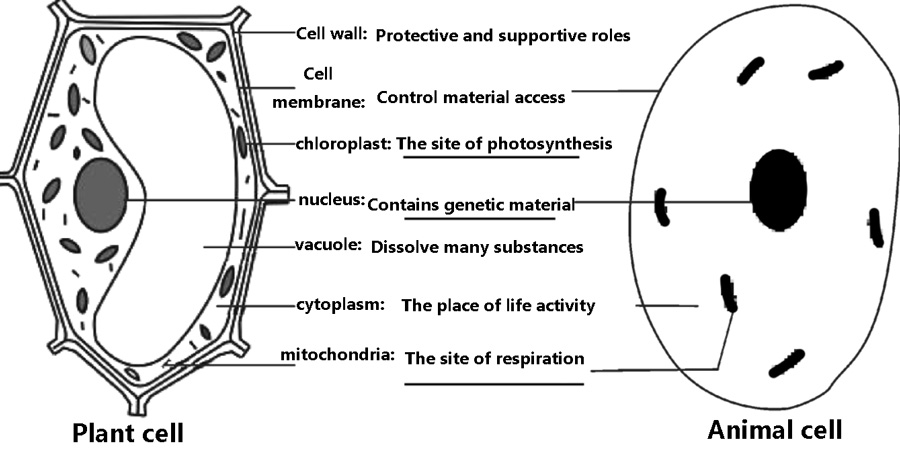
Its main function is to synthesize ATP (adenosine triphosphate) through electron transfer and oxidative phosphorylation, which provides the energy necessary for the life activities of cells, and is the final oxidation of sugars, fats and amino acids and other substances to release energy.
Mitochondria are important organelles present in almost all eukaryotes, second only to the nucleus.
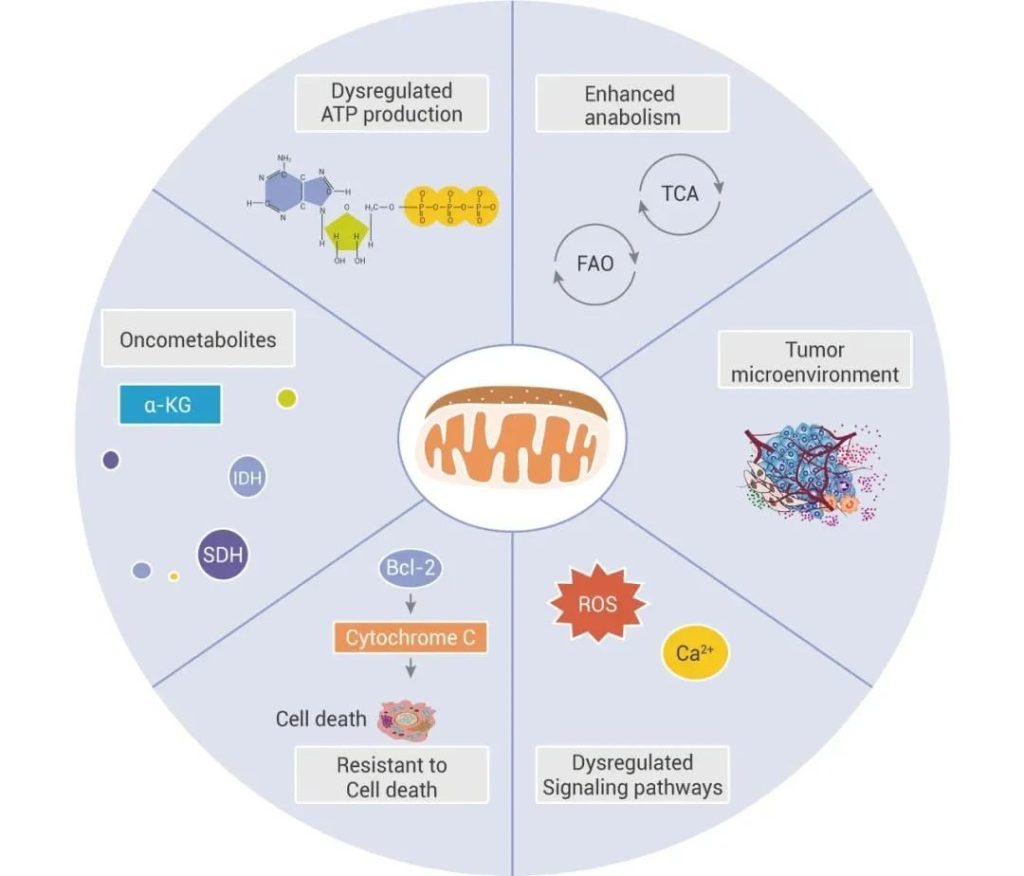
So what has attracted the growing interest in mitochondria?
The complex and diverse functions of mitochondria:
Mitochondria play a crucial role in energy conversion
Mitochondria act as the "energy factories" of the cell, converting nutrients into ATP through the process of oxidative phosphorylation to provide the necessary energy for the cell.
The normal function of mt directly affects the life activities of cells and even the whole organism.
Mitochondria also play an important role in the storage and regulation of calcium ions
Mitochondria have the ability to absorb calcium ions quickly, so they can act as buffer regions for calcium ion storage in cells.
This balance is essential for the normal physiological functions of cells, such as muscle contraction and nerve conduction.
mt can also cooperate with endoplasmic reticulum, extracellular matrix and other structures to maintain the dynamic balance of calcium ions in cells.
Mitochondria are involved in the regulation of apoptosis
When cells stimulated by some internal and external factors, mitochondria can initiate or promote the apoptosis process by regulating the transmembrane potential and releasing apoptosis-related proteins.
This function helps to maintain the stability of the internal environment of the body and prevent the excessive proliferation and malignant transformation of abnormal cells.
Mitochondria are also involved in cell proliferation and metabolism regulation
By synthesizing and releasing certain key substances, mitochondria can influence the process of cell division, growth, and differentiation, as well as the efficiency with which cells absorb and use nutrients.
These functions are important for maintaining the normal growth and development of the body and metabolic balance.
Mitochondria also synthesize cholesterol and some hemoglobin
These substances play an important role in the structure and function of cells, such as maintaining the integrity of cell membranes, and participating in the transport and utilization of oxygen.
This function of mitochondria is also indispensable for maintaining the normal physiological function of cells.
Mitochondrial function is also tissue-specific
For example, mitochondria in liver cells have the function of detoxifying ammonia, which can remove harmful ammonia produced during protein metabolism and protect liver cells from damage.
This function reflects the adaptability and diversity of mitochondria in different tissues.
Mitochondria are the center of metabolic plasticity and have evolved into multifaceted signaling organelles.
Through signaling mechanisms, the availability of nutrients combined with cellular and biological states to meet the needs for growth and repair at the cell, tissue and organism levels.
The mysterious relationship between mitochondria and PQQ
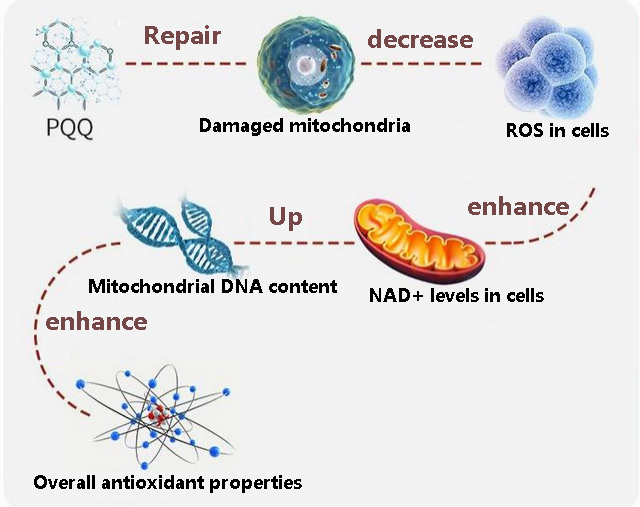
PQQ is known as the "mitochondrial generator", which helps to promote the generation of new mitochondria, protect and enhance the function of existing mitochondria, stimulate the rapid growth of human cells, and thus has a powerful role in cognitive improvement, enhancing the activity of brain cells, and improving memory.
What other benefits can PQQ bring?
PQQ is a kind of bioactive substance with multiple biological activities. The research shows that PQQ has many effects and application value.
PQQ can improve the REDOX response capacity of cells, thereby helping the body to better use energy, enhance metabolic capacity, resist fatigue, improve attention and memory.
PQQ also has strong antioxidant capacity, which helps to resist harmful free radicals and protect human health and life activities.
The possible benefits of PQQ as a source of youth include: delaying aging, protecting memory and cognition, reducing inflammation, increasing energy production and utilization, and so on. By increasing the number of mitochondria, you get more energy.
Pyrroloquinoline Quinone is also able to promote cell production of several important enzymes, improving immunity and resistance to certain infectious diseases.
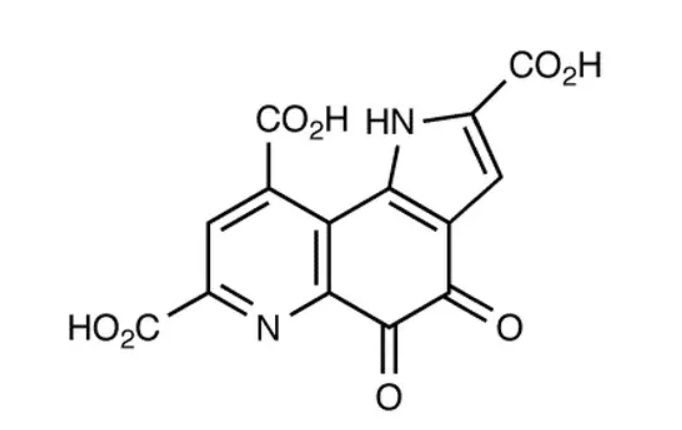
PQQ is also considered a good neuroprotective agent because it helps the body maintain and improve the health of neurons.
PQQ can promote the regeneration of neurons, increase the number and density of neurons, relieve symptoms such as neurodegenerative diseases, and improve the brain's resistance to aging and disease.
Sum up
PQQ is an extremely valuable functional nutrient, and its importance in maintaining human health is increasing.
We should pay attention to the use of health and nutrition health care, consumption should be as far as possible to check the source and quality of products, and according to their actual situation reasonable mix and use.
Prev: Uncovering the magical powers of S-adenosylmethionine
Next: Mechanism of action of adenosylmethionine in alcoholic liver disease
Related products


Related news
-
Uncovering the magical powers of S-adenosylmethionine
2024-09-12 -
N-acetylcysteine (NAC) is more than just an expectorant
2024-09-09 -
Unleash Your Energy Potential with PQQ - The Powerhouse Coenzyme
2023-12-06 -
2023 FIC Health Exhibition concluded successfully
2023-11-28 -
The total investment is 580 million and the NMN project has been approved
2023-10-31 -
Mechanism of action of adenosylmethionine in alcoholic liver disease
2024-10-28 -
Correct use of adenosylmethionine and precautions
2024-12-02 -
differences between α-whey protein, α-lactalbumin and lactoferrin
2024-12-16 -
Your body needs CoQ10!
2024-12-18 -
Industry review spider silk biological manufacturing barriers
2025-01-15
