
Glutathione not only acts as an antioxidant, but also nourishes cancer cells
Glutathione (GSH) has long been regarded as one of the most important antioxidant molecules within cells.
It plays a role in protecting cells and resisting oxidative damage during the development of tumors.
Whether glutathione has any other "non-classical functions" has not been fully understood.
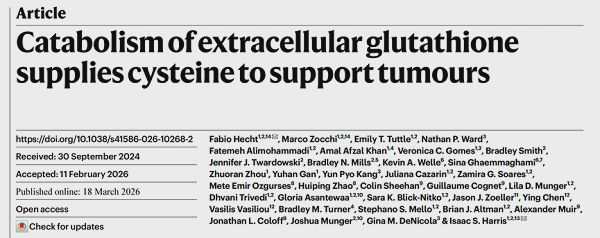
On March 18, 2026, Professor Isaac S. Harris from the Wilmoreth Cancer Research Institute published a research paper titled "Catabolism of extracellular glutathione supplies cysteine to support tumors" in the journal Nature.
This research focused on a key question: How do tumors obtain the crucial amino acid cysteine in an environment lacking nutrients?
The research first proposed and proved:
Tumors can utilize extracellular glutathione as a "nutritional reserve pool", breaking down glutathione to obtain cysteine, thereby maintaining growth and survival.
This discovery has reshaped our understanding of the functions of glutathione and the metabolic strategies of tumors.
tumor does not rely on glutathione synthesized within itself
The research begins by addressing a key issue:
Does the tumor rely on its own synthesis of glutathione (GSH) to maintain its growth?
The author discovered by knocking out the key enzyme GCLC for glutathione synthesis that although the level of glutathione in tumor cells significantly decreased, the growth rate and final volume of the tumor were not significantly affected.
This indicates that endogenous glutathione synthesis is not essential for tumor growth (Figure 1).
Further examination revealed that the total glutathione level in the tumor microenvironment (tumor stromal fluid) was significantly higher than that in the blood circulation. This result suggests:
Compared to the self-synthesis by cells, tumors are more likely to rely on the abundant glutathione in the external environment as a resource source, which laid the foundation for the subsequent proposal of the "extracellular glutathione nourishes tumors" model.
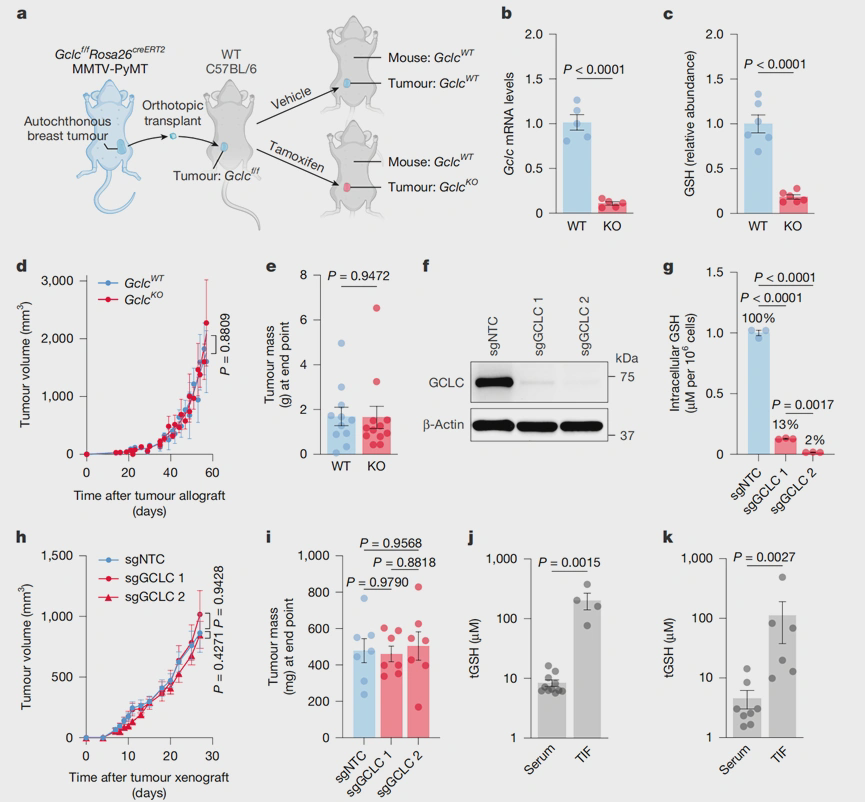
Figure 1. The tumor's own synthesis of glutathione is not essential, and extracellular glutathione is highly concentrated.
Extracellular glutathione can replace traditional sources and directly provide cysteine to tumors
After confirming the abundant presence of extracellular glutathione, the authors further investigated whether it could serve as a source of nutrition.
The experiment shows that in the absence of cystine (the traditional source of cysteine), supplementing with glutathione or its breakdown product Cystein-Glycine can significantly restore the survival and proliferation capabilities of cancer cells.
Isotope tracing experiments have shown (Figures 2h-k) that cysteine, which is produced by the breakdown of glutathione, can enter the cellular metabolic network and participate in the synthesis of proteins and downstream metabolites.
These results clearly demonstrate:
Extracellular glutathione can be broken down and converted into cysteine that can be utilized by the cells, thereby replacing the traditional amino acid intake pathway to support tumor growth.
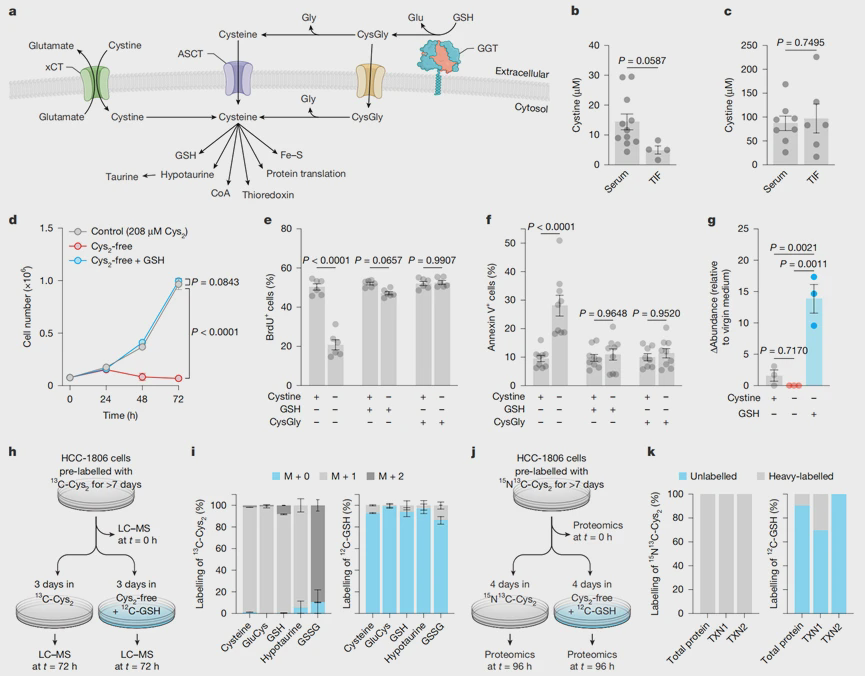
Figure 2. Extracellular glutathione can replace traditional sources and directly provide cysteine to tumors.
GGT1 mediates breakdown of glutathione and can "supply" energy to surrounding cells
To elucidate the molecular mechanism of glutathione breakdown, the research focused on γ-glutamyl transferase (GGT).
The results show that enhancing the expression of GGT1 can improve the cell's utilization efficiency of glutathione, enabling it to maintain growth even under conditions of low glutathione levels.
What is more important is that in the co-culture system, cells with high GGT activity can break down glutathione and release metabolic products, thereby "saving" the growth of surrounding cells with low GGT activity.
This phenomenon reveals:
GGT not only functions at the single-cell level, but also can form "metabolic mutualism" in the tumor microenvironment, providing nutritional support to adjacent cells through paracrine mechanisms.
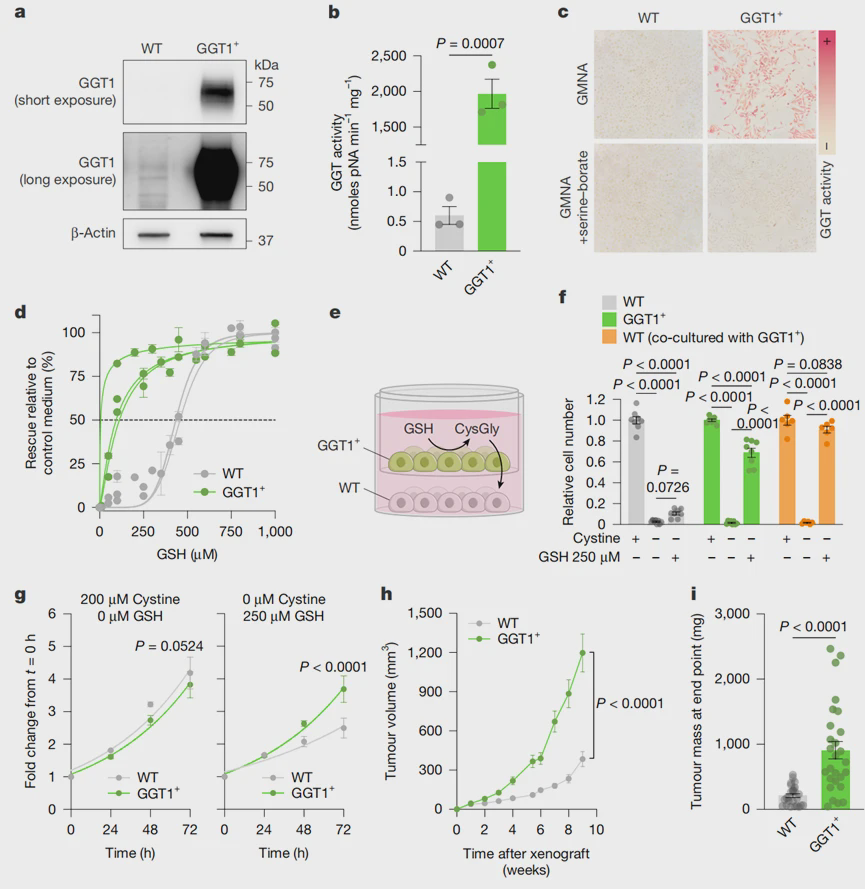
Figure 3. GGT1 mediates the breakdown of glutathione and can "supply" energy to surrounding cells
When tumors rely on glutathione for energy supply, their sensitivity to metabolic inhibitors changes
The research further analyzed the transformation of tumor metabolic pathways at the molecular level of the drugs.
Through large-scale drug screening, it was discovered that when tumor cells shifted from "cystine-dependent" to "glutathione-dependent" in obtaining cysteine, their sensitivity to different metabolic inhibitors changed significantly:
On the one hand, they are more sensitive to GGT inhibitors;
On the other hand, the sensitivity to drugs targeting cystine uptake (such as xCT) or the reduction pathway decreases.
This indicates that the nutritional sources of tumors can reshape their drug response profiles, and also suggests that traditional in vitro culture systems may underestimate the importance of the glutathione pathway.
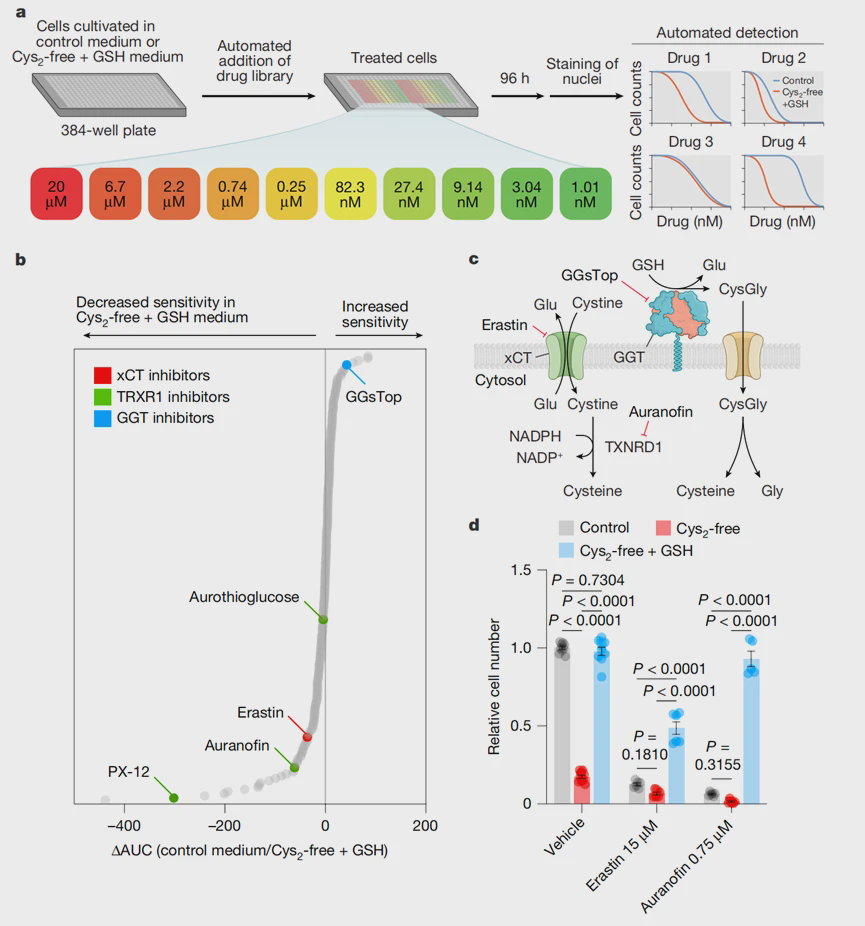
Figure 4. When the tumor relies on glutathione for energy supply, the sensitivity to metabolic inhibitors changes.
Inhibiting breakdown of glutathione can reduce tumor cysteine levels and inhibit growth
The author verified the therapeutic potential of this metabolic pathway in an in vivo model.
After treating mice with the GGT inhibitor GGsTop, it was found that it could significantly inhibit tumor growth, and at the same time cause a decrease in cysteine levels in the tumor tissues and changes in related metabolites.
The key point is that supplementing the transmembrane precursor of cysteine (NAC) can reverse this inhibitory effect, demonstrating that the anti-tumor effect stems from the limitation of cysteine supply.
This indicates that blocking the breakdown of extracellular glutathione and cutting off the supply of cysteine at its source is a promising strategy for tumor metabolic intervention.
Prev: Record of glutathione production by Saccharomyces cerevisiae
Next: A probe for visualizing glutathione levels in adipose tissue


