
Reduced glutathione is body inherent antioxidant guardian
Reduced glutathione (GSH), many people have heard of its name.
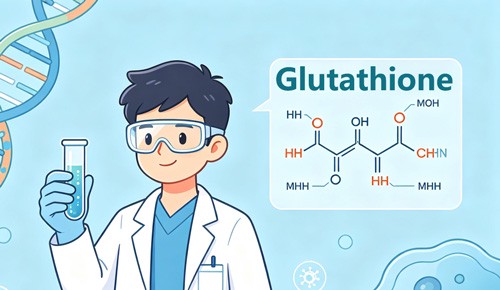
Reduced glutathione is an endogenous tripeptide antioxidant substance that the body can synthesize itself.
It is responsible for detoxifying liver cells and removing free radicals.
Clinically, it has hepatoprotective uses and is also used as an auxiliary treatment for skin pigmentation.
However, many people do not know: Ordinary oral tablets are easily broken down in the gastrointestinal tract and have limited absorption;
At the same time, there are many contraindications for use, and it is not a "universal antioxidant health supplement".
Principles of Foundation and Core Function
Composition: Glutamic acid, cysteine and glycine form a tripeptide, containing active sulfhydryl groups (-SH), which is a crucial antioxidant substance in human cells.
Core physiological functions
1. Antioxidant detoxification
Remove reactive oxygen free radicals in the body, combine with toxic substances, and help the liver metabolize and excrete toxins.
2. Maintaining cellular oxidative balance
GSH/GSSG is an important indicator of cellular redox, and a decrease in the ratio indicates oxidative stress damage.
3. Regulating antioxidant genes, protecting mitochondria, and reducing cell damage and apoptosis.
Key point: The human body can synthesize glutathione on its own.
Exogenous supplementation is additional administration, and it does not mean the more, the better.
Clinical application
1. Anti-hepatitis B liver protection
Oral glutathione tablets are used for liver protection in chronic hepatitis B.
Function: As an auxiliary liver protection measure, it cannot replace antiviral treatment.
2. Post-inflammatory pigmentation PIH
When the lesion area is extensive after inflammation, it can be used as an oral auxiliary medication;
It is recommended to be used in combination with external medications, and cannot rely solely on oral whitening and fading pigmentation drugs.
3. Acute liver injury
Expert consensus lists it as a commonly used liver protection drug, exerting antioxidant and free radical scavenging effects.
It needs to be used individually based on the patient's condition.
Other formulations: Besides oral tablets, there are also intravenous, intramuscular injection, and inhalation formulations;
Intravenous is mostly used in cases where rapid improvement of antioxidant reserves in the body is required.
Usage and Dosage
1. Chronic hepatitis B liver protection (oral tablets)
Take 400 mg (4 tablets) once daily, 3 times a day. Standard treatment course: 12 weeks.
2. Auxiliary treatment for post-inflammatory pigmentation
Take 0.4 g once daily, 3 times orally, combined with topical skin medications.
Oral drawbacks: Ordinary oral glutathione is easily degraded in the gastrointestinal tract and has a low bioavailability.
Special formulations such as liposomes, microencapsulation, and oral dissolution membranes can enhance absorption, but more high-quality clinical evidence is needed to confirm the actual benefits.
Special Groups and Important Safety Reminders
1. Pregnancy, lactation
Animal experiments showed no reproductive toxicity, but there is a lack of human clinical data. Self-use is not recommended.
2. Children, elderly
The safety of medication use and dose-related data are not yet clear.
3. Cancer patients - Special warning
Glutathione can protect both normal cells and tumor cells, weakening the effect of chemotherapy.
Cancer patients should not purchase and consume glutathione on their own;
they must follow the assessment of oncology specialists.
During the treatment with arsenic agent (arsenic trioxide ATO, for the treatment of acute promyelocytic leukemia APL), glutathione should be avoided as much as possible, as its detoxification effect will reduce the therapeutic efficacy of the arsenic agent.
4. Two classic clinical cases
Acetaminophen (paracetamol) overdose poisoning
The glutathione in the liver is consumed in large quantities, and N-acetylcysteine (NAC), as a precursor of glutathione, is used for emergency treatment, not for direct supplementation of glutathione.


