
Bionic glutathione cycle antioxidant helps achieve efficient full perovskite synthesis
All-perovskite tandem solar cells are regarded as an important research direction for breaking through the Shockley–Queisser efficiency limit of single-junction devices due to their advantages such as high efficiency, low cost potential, compatibility with flexibility, and solubility processing capabilities.
The lead-tin (Pb-Sn) mixed narrow-bandgap sub-battery is a key component for achieving efficient stacked devices.
The performance and stability of Pb-Sn mixed perovskite materials have long been limited by the redox impurities within the films:
Sn2+ can easily be oxidized to Sn4+, and a disproportionation reaction can produce Sn4+ and Sn0, while perovskite decomposition can result in the formation of Pb0, etc.
Compared with pure lead-based perovskites, the coordination of Sn2+ with common solvents/ligands is relatively weak, which easily leads to an accelerated crystallization process and uncontrolled crystallization kinetics of tin-based perovskites.
As a result, a large number of vacancies, grain boundaries and pinholes and other defects are formed, seriously restricting carrier transport and shortening the device lifetime.
In response to these challenges, Professor Li Zhen and Associate Professor Li Can from the Nanomaterials Research Center of Northwestern Polytechnical University were inspired by the redox cycling mechanism of the natural antioxidant glutathione (GSH) in the body, which achieves GSH/GSSG conversion.
They innovatively introduced glutathione into the Pb-Sn mixed perovskite system, constructing a regenerative "GSH-GSSG" dynamic antioxidant system.
This system not only continuously removes oxidized and reduced impurities such as Sn4+, Sn0 and Pb0 during the fabrication and operation of the device through the reversible thiol-disulfide bond cycle, but also regulates the nucleation and growth kinetics of perovskite through its abundant carboxyl/carbonyl sites and strong coordination with Sn2+/Pb2+, significantly improving the crystallization quality and crystal orientation of the film.
The glutathione-modified Pb-Sn mixed perovskite solar cell achieved an energy conversion efficiency (PCE) of 23.71%, and the open-circuit voltage was increased to 0.89 V.
The all-perovskite tandem solar cell constructed in this way achieves an efficiency of 28.49%, and maintains 90% of its initial efficiency even after continuous illumination for 560 hours, demonstrating excellent operational stability.
This work provides a new material chemical approach for the synergistic regulation of oxidation resistance and crystallization in lead-tin mixed perovskite, promoting the development of highly efficient and stable all-perovskite tandem solar cells.
The related work was published in the journal "Nano-Micro Letters" under the title "Nature-Inspired Redox Shuttle with Regenerable Antioxidant for Efficient All-Perovskite Tandem Solar Cells".
The first author of the paper is Meng Rui and Du Liming, both doctoral students from the School of Materials Science and Engineering of Northwestern Polytechnical University.
The corresponding author is Professor Li Zhen and Associate Professor Li Can from the School of Materials Science and Engineering of Northwestern Polytechnical University.
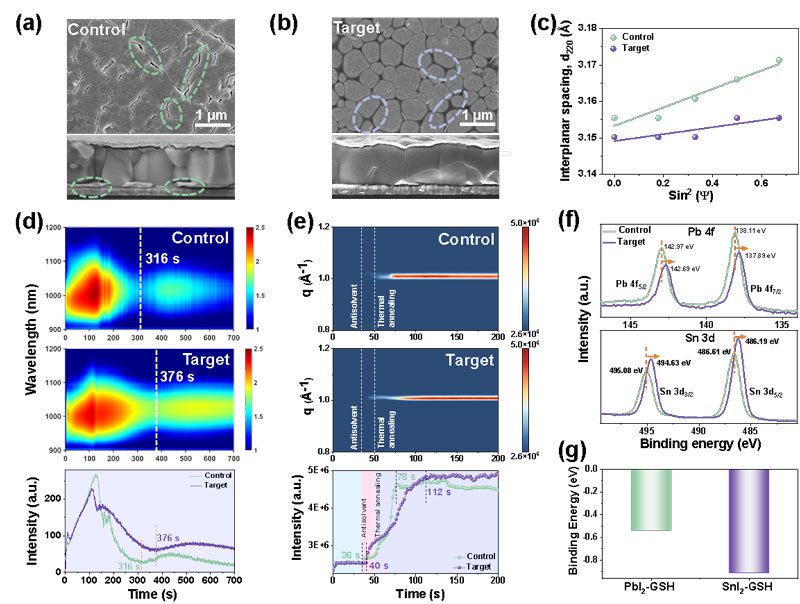
Figure 1. The inhibitory effect of the GSH/GSSG redox cycle mechanism on the oxidation of Sn2+
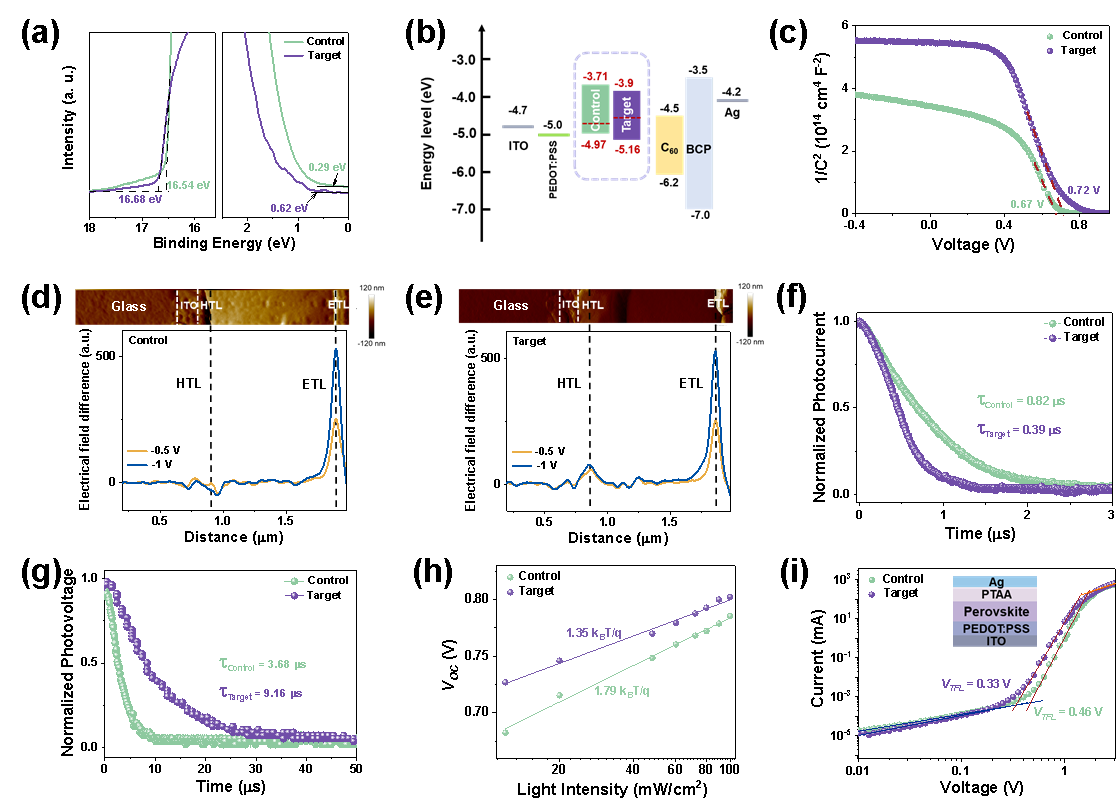
Figure 2. The regulatory effect of glutathione on the crystallization kinetics of lead-tin mixed perovskite.
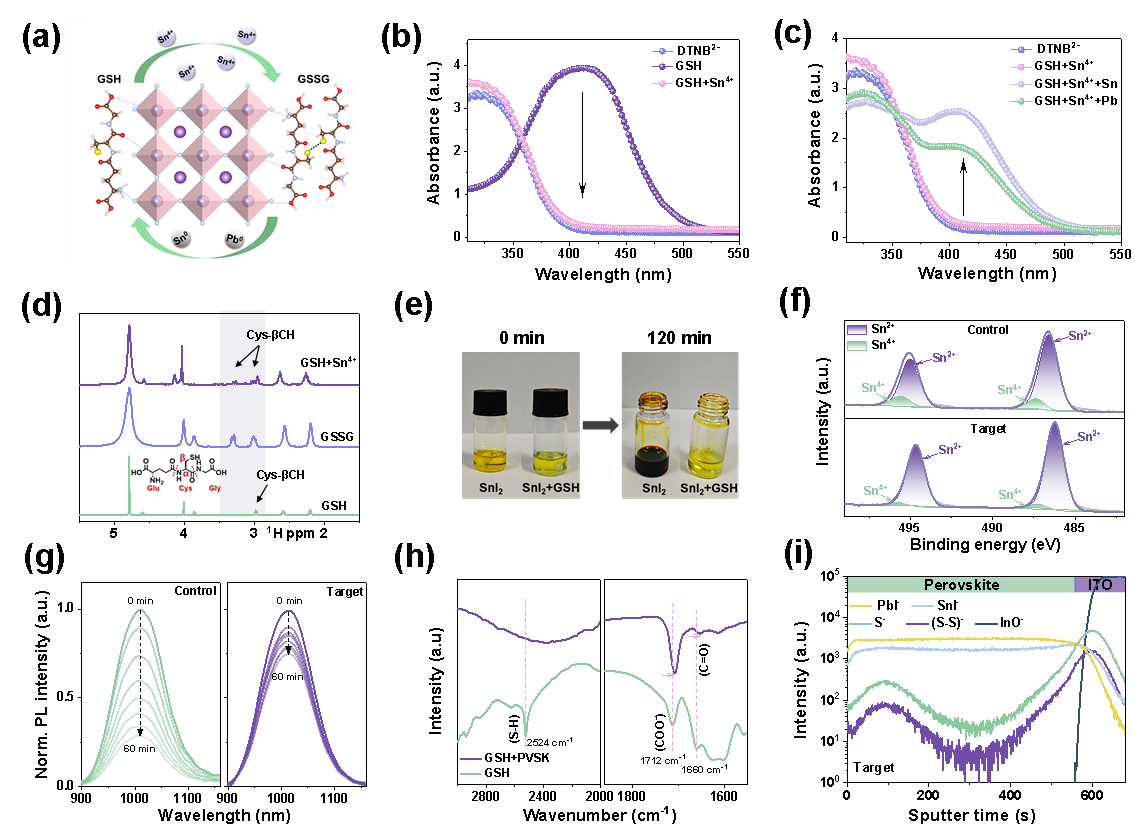
Figure 3. Enhancement of the photoelectric performance of lead-tin mixed perovskite solar cells (PSC) by glutathione modification.
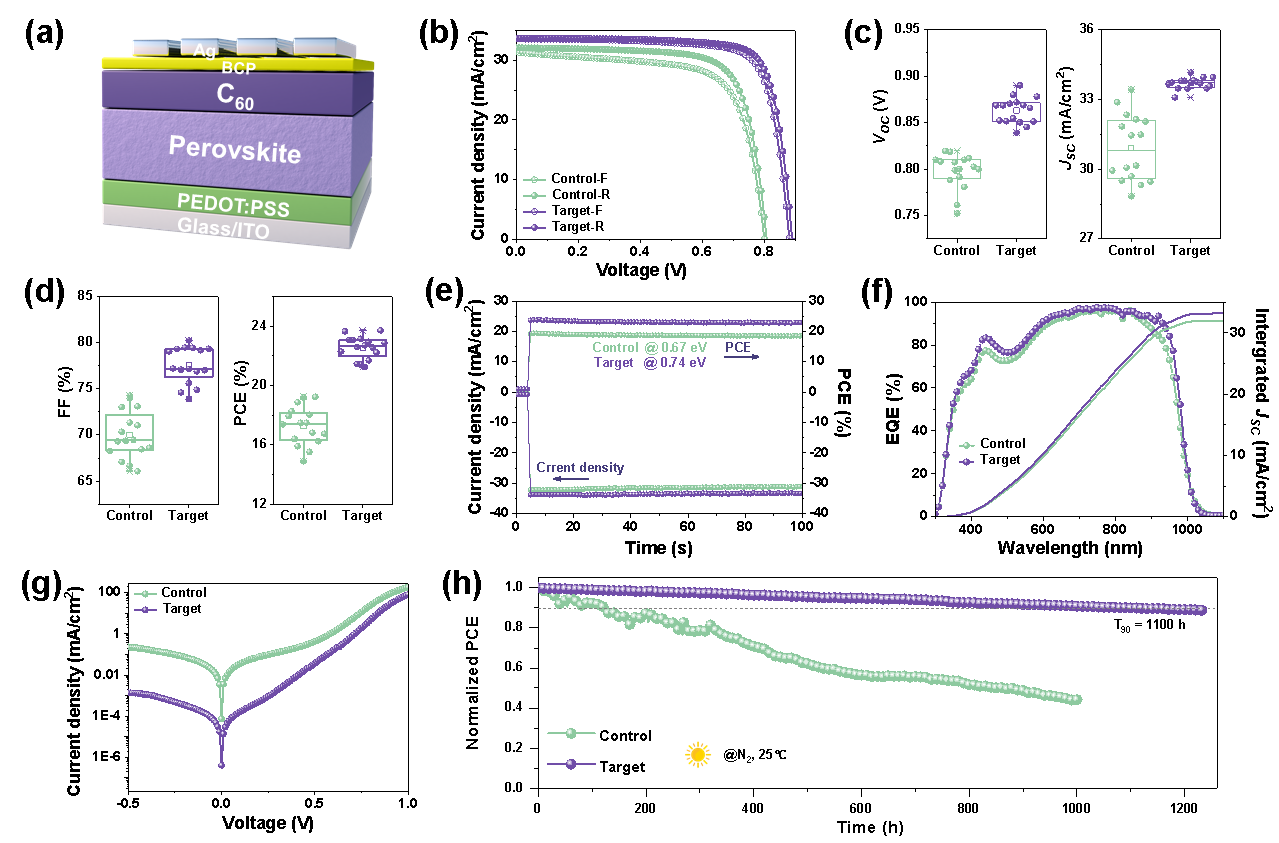
Figure 4. Regulation of the band structure and carrier transport of perovskite by glutathione.
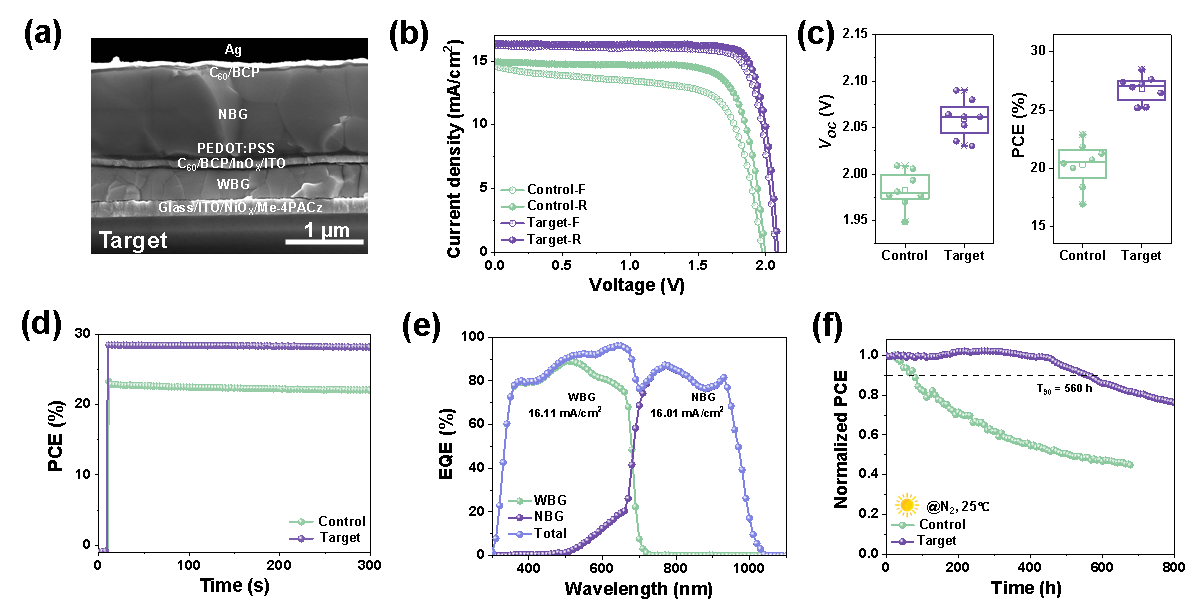
Figure 5. Enhancement of photoelectric performance of all-perovskite tandem solar cells by glutathione modification.
Cite this article:
R. Meng, L. M. Du, C. Li, et al. Nature‑Inspired Redox Shuttle with Regenerable Antioxidant for Efficient All‑Perovskite Tandem Solar Cells, Nano-Micro Letters, 2026, 18:165.
DOI: 10.1007/s40820-025-02006-6
Prev: Glutathione helps detoxify alcohol and protect liver
Next: How can reduced glutathione truly "enter the cells and function"?
Related products


Related news
-
Glutathione helps detoxify alcohol and protect liver
2026-01-13 -
What is glutathione?
2026-01-05 -
Liposomal glutathione: Cell-level antioxidant support
2025-12-30 -
Unveiling Anti-aging Code of glutathione
2025-12-16 -
How to take glutathione for whitening to effective
2025-12-09 -
How can reduced glutathione truly "enter the cells and function"?
2026-01-27 -
application fields of glutathione
2026-02-03 -
After drinking alcohol, should one take milk thistle or glutathione?
2026-02-10 -
detoxification champion more powerful than glutathione
2026-02-25 -
Glutathione Quick Facts
2026-03-03
