
Glutathione helps detoxify alcohol and protect liver
Behind every glass of alcohol, your liver is fighting a tough battle.
As a nutritionist, I am often asked:
What components can truly protect the liver?
Is there any truly effective way to sober up after drinking?
we will delve deeply into a crucial liver-protecting component - glutathione, and uncover the scientific secrets of its role in alcohol detoxification and liver protection.
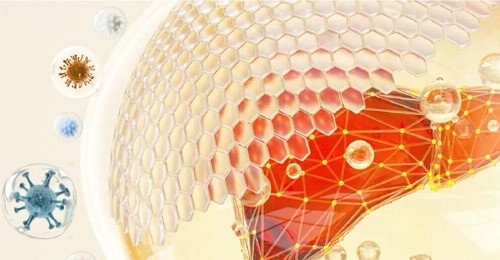
How does alcohol get metabolized in body?
The key lies in the liver.
To understand the role of glutathione, one must first understand the metabolic process of alcohol in the body.
When alcohol enters the body, more than 90% of the metabolic process is carried out by the liver. This process consists of three key steps:
Step 1: Ethanol → Acetaldehyde
Under the action of alcohol dehydrogenase, alcohol (ethanol) is converted into acetaldehyde. Acetaldehyde is highly toxic and is the "culprit" responsible for symptoms such as blushing, palpitations, and nausea.
Step 2: Acetaldehyde → Acetic Acid
Under the action of acetaldehyde dehydrogenase, acetaldehyde is converted into relatively harmless acetic acid. This is the most crucial step in alcohol metabolism and also the stage where glutathione plays its main role.
Step 3: Acetic acid → Carbon dioxide + Water
Acetic acid is eventually decomposed into carbon dioxide and water and then excreted from the body.
During this process, the rate at which acetaldehyde is eliminated directly determines the extent of damage that alcohol causes to the human body, and glutathione is the "core protector" in this process.
Glutathione: Antioxidant of Liver
Glutathione is a tripeptide molecule composed of glutamic acid, cysteine and glycine. It exists in every cell of the human body, with the highest concentration in the liver.
Glutathione is known as the "mother of antioxidants" for three reasons:
Direct neutralization of toxic substances:
The sulfhydryl group (-SH) of glutathione can directly combine with toxic substances such as acetaldehyde, converting them into water-soluble substances that can be easily excreted through urine.
Regenerate other antioxidants:
It can "revive" antioxidants such as vitamin C and E, forming a powerful antioxidant network.
Enhance activity of detoxification enzymes:
Glutathione is a necessary substrate for the second stage of liver detoxification (the conjugation reaction). Without it, the entire detoxification system will be paralyzed.
Every time you drink a glass of alcohol, the liver has to consume a large amount of glutathione to neutralize the toxins produced by the alcohol.
When the glutathione reserves are insufficient, toxins such as acetaldehyde will accumulate in the body and directly attack liver cells.
Why do some people drink alcohol but not get drunk?
This is closely related to the level of glutathione in the human body:
Genetic factors: Approximately 30-50% of Asians carry mutations in the aldehyde dehydrogenase gene, resulting in a weaker ability to metabolize acetaldehyde. They rely more on the glutathione-assisted detoxification pathway.
Nutritional status: The synthesis of glutathione requires sufficient high-quality protein (especially foods rich in cysteine). Those who have insufficient protein intake over a long period will have a decreased ability to synthesize it.
Living habits: Staying up late, high stress levels, and consuming high-sugar diets all deplete the reserves of glutathione. Age factor: After the age of 20, the body's ability to synthesize glutathione decreases by approximately 1% each year.
Studies have shown that the level of glutathione in the livers of frequent drinkers is generally 40-60% lower than that of non-drinkers. This is also an important reason for liver damage caused by long-term alcohol consumption.
Scientific supplementation of glutathione:
Practical advice from a nutritionist
1. Precise supplementation strategy
For those who frequently engage in social drinking, the following supplementary measures can be considered:
Daily maintenance supplement: Glutathione and Vitamin C Capsules - 2 capsules per day
Pre-drinking protection plan: Anti-alcohol tablets (containing glutathione) 3 tablets per time
Post-drinking recovery plan (after drinking or the next day):
Glutathione 300-500mg: Directly replenish the consumed reserves
Vitamin B complex: Helps with energy metabolism and nervous system recovery
Electrolyte supplementation: Correcting dehydration state
2. Foods rich in glutathione or those that can promote its synthesis:
Cruciferous vegetables: Broccoli, spinach, kale (3-4 times a week, 100-150 grams each time)
Foods rich in sulfur: garlic, onions, eggs (especially egg yolks)
High-quality protein: Whey protein, fish meat, chicken (providing raw materials for synthesis)
Special fruits: Avocado, Kiwi fruit, Watermelon
3. Adjustment of Living Habits
Avoid drinking on an empty stomach: Food can slow down the absorption of alcohol and reduce the rate of glutathione consumption.
Drink plenty of water during drinking: Water can help the kidneys excrete waste and reduce the burden on the liver.
Ensure adequate sleep: During deep sleep, the liver's ability to repair and regenerate is at its strongest.
Glutathione is indeed the "key protector" in the liver's detoxification system, and there is clear scientific evidence supporting its ability to mitigate the damage caused by alcohol.
But it should not be an excuse for excessive drinking.
The best strategy for protecting the liver is always "moderate drinking + balanced nutrition + healthy lifestyle".
If you occasionally need to socialize, taking in sufficient amounts of glutathione and related nutrients can indeed provide a layer of protection.
However, if one drinks alcohol for a long period and in large quantities, no supplement can prevent the occurrence of liver damage.
Prev: What is glutathione?
Next: Bionic glutathione cycle antioxidant helps achieve efficient full perovskite synthesis
Related products


Related news
-
What is glutathione?
2026-01-05 -
Liposomal glutathione: Cell-level antioxidant support
2025-12-30 -
Unveiling Anti-aging Code of glutathione
2025-12-16 -
How to take glutathione for whitening to effective
2025-12-09 -
Glutathione: A key molecule from biochemistry to anti-aging
2025-12-02 -
Bionic glutathione cycle antioxidant helps achieve efficient full perovskite synthesis
2026-01-20 -
How can reduced glutathione truly "enter the cells and function"?
2026-01-27 -
application fields of glutathione
2026-02-03 -
After drinking alcohol, should one take milk thistle or glutathione?
2026-02-10 -
detoxification champion more powerful than glutathione
2026-02-25
