
What is glutathione?
Glutathione was discovered by French researchers in 1888, but it was not until after 1980 that people truly recognized its function.
Glutathione is a necessary factor for people to have a strong immune system and healthy vitality.
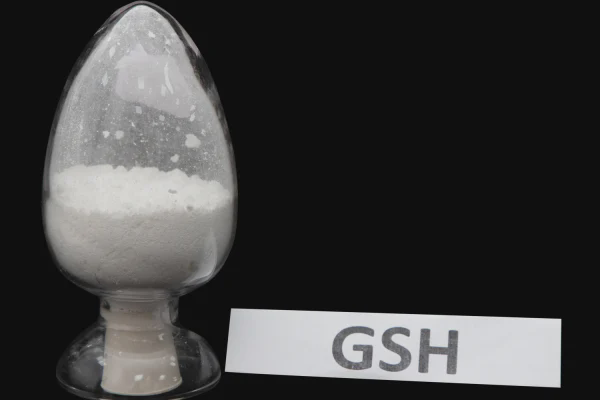
In the past 30 years of research, scientists have made another astonishing discovery:
A little-known biomolecule in human cells may hold the secret to human anti-aging, and that is glutathione.
Glutathione is widely present in the bodies of animals and plants in nature, especially in the liver tissues of animals, wheat germ and yeast, and its content can be as high as 100 to 1000mg/100g.
And now, through enrichment technology, the content of glutathione in yeast can reach over 8% of the dry weight of yeast. Yeast is a natural and healthy food source for supplementing glutathione.
physiological functions of glutathione
1. Antioxidant and free radical scavenging
This is because glutathione has a thiol group in its structure, which is chemically very active and prone to oxidative dehydrogenation, and then combines with free radicals.
Glutathione can protect hemoglobin from free radical attacks and continuously exert its normal ability to transport oxygen.
It can protect hemoglobin from free radical attacks and continuously exert its normal ability to transport oxygen.
It can protect the liver cell membrane and prevent liver damage.
2. Enhance immunity
If the content of glutathione in human cells is normal or slightly high, it can fully activate and differentiate various immune cells in the immune system, thereby enhancing immunity.
Glutathione can be used to prevent the occurrence of various diseases, such as chronic diseases, heart diseases, autoimmune diseases, etc.
3. Detoxification
The thiol group of glutathione is an active electron-donating group. It can combine with exogenous electron-loving carcinogens or drugs, and can also directly chelate with heavy metal ions to form insoluble substances that are excreted from the body.
Glutathione has detoxification effects on poisoning caused by acrylonitrile, fluoride, carbon monoxide, heavy metals and organic solvents, etc.
4. Anti-radiation
In the clinical treatment process, the reduction of white blood cells in the body caused by radiotherapy, chemotherapy or drugs is very common. Glutathione can play an important resistant role in this situation.
5. Prevent skin aging and pigmentation
Glutathione can combine with lead in the vast majority of lead-containing cosmetics, preventing it from depositing on the skin and causing dark spots.
It can also eliminate free radicals and combat skin aging.
Why should glutathione be supplemented?
People are highly dependent on vitamin supplementation. Generally, daily supplementation is needed to meet the demand for vitamins, but the supplementation of glutathione is different.
Since the human body can produce glutathione by itself, it is only necessary to ensure that the "raw materials" required for the production of glutathione remain at a certain concentration.
This can be achieved by consuming foods with a high enough content of sulfur-containing amino acids.
These foods include scallions, Onions, garlic, lettuce, broadleaf Onions and so on.
In addition, people should also maintain an active state of their body's material metabolism through regular physical activities (such as cycling for 20 minutes every day, walking for an hour or swimming for half an hour), which also ensures the balance of glutathione in the body.
Taking alternating cold and hot showers in the early morning, or taking a sauna with a cold bath pool, or using all the folk remedies for strengthening the body, can all enhance the antioxidant performance of the glutathione system.
Glutathione is also very important for patients with severe chronic kidney or liver diseases, alcoholics, and those who are deficient or have insufficient absorption of other antioxidant substances such as vitamins C and E, as well as for patients with platelet disorders, chronic infectious lung diseases, and those with cystic fibrosis.
The human body will increase the production of glutathione by itself when under stress.
This is achievable when the pressure increases to a limited extent. However, at a specific critical point, the glutathione produced by oneself is insufficient and needs to be replenished from the outside in a timely manner.
For instance, flight attendants, smokers, computer workers, and staff under the pressure of environmental pollution.
Every treatment for cancer increases the body's demand for glutathione.
Glutathione in yeast invigorates cells
Yeast is rich in glutathione.
Glutathione is a powerful antioxidant that can eliminate the danger of free radicals brought by fatty foods in the digestive tract and also resist the damage of free radicals in cells throughout the body.
Research shows that 77% of patients hospitalized for chronic diseases have a deficiency of glutathione.
Glutathione can not only eliminate free radicals in the human body, but also enhance the body's immunity and regenerate immune cells.
If the glutathione in the body is exhausted, cells will rupture and lose their immune activity. Supplementing glutathione can restore the immune activity of these diseased cells and make them full of vitality.
Glutathione and Liver protection
Glutathione is an important cofactor in a series of enzymatic reactions in the liver and participates in the transport of amino acids and bile acid metabolism.
Especially the free sulfhydryl groups contained in reduced glutathione are known as protective agents for human metabolism.
Clinical research indicates that glutathione can be used as one of the effective drugs for treating alcoholic hepatitis, viral hepatitis and drug-induced hepatitis.
Exogenous (viruses, alcohol, drugs, etc.) and endogenous viral substances produce toxic metabolic substances in the body, leading to lipid peroxidation of the liver cell membrane.
Glutathione is an important component of glutathione peroxidase.
In liver cells, it participates in lipid peroxidation reactions, inhibits the formation of free radicals and directly binds to free radicals, converting toxic or potentially toxic substances into water-soluble metabolic products in the liver, which then bind to glutathione and are excreted from the body.
Glutathione can accelerate the degradation and excretion of ethanol and acetaldehyde, reduce the accumulation of triglycerides in the liver, and prevent alcoholic liver disease.
Glutathione-rich yeast can be obtained by using modern biotechnology.
This yeast can break down the excessive alcohol in the body into heat and water and excrete them from the body. It is safe and has no side effects.
It can also have a good effect in eliminating toxins in the liver and has a significant improvement effect on liver damage and diseases caused by liver damage.
Application fields of glutathione
Glutathione has antioxidant effects. On the one hand, it can be applied in drugs and plays an important role in the treatment of certain diseases.
On the other hand, it can be used in functional foods to enhance the body's immunity and exert nutritional and health care effects.
It is particularly worth noting that most of the glutathione raw materials currently used in the fields of medicine, food, etc. are extracted from yeast.
1. Medical and health care
- Glutathione drugs are currently widely used in clinical practice, mainly for detoxification of heavy metals, etc., and also play an auxiliary role in the treatment of hepatitis, ophthalmic diseases and some hemolytic diseases.
- There are also reports claiming that glutathione may have an inhibitory effect on the HIV virus.
- When glutathione is used in combination with vitamin C, its efficacy can be enhanced.
- Glutathione also has a good effect in improving sexual function.
2. Application in food industry
Adding glutathione to food can play an antioxidant role, prevent discoloration and enhance flavor.
- A. When added to noodles, it can significantly shorten the processing time of noodles and also enhance the nutrition of food.
- B. Adding it to fish cakes can prevent the color of the fish cakes from darkening.
- C. When added to meat products, cheese and other foods, it can enhance the flavor of the products.
- D. When added to yogurt and infant food, it can enhance the stability of yogurt and infant food.
3. Application in cosmetics field
Glutathione, when applied to cosmetics, can play a role in whitening and anti-wrinkle.
- A. Whitening: Glutathione has the effect of whitening the skin. It can not only inhibit the formation of melanin in the skin, but also fade the melanin that has already formed, making the skin fair and tender from the inside out. Moreover, long-term use is safe and effective.
- B. Anti-wrinkle: Enhance the skin's antioxidant capacity, prevent skin aging, reduce the formation of wrinkles, and give the skin a lustrous appearance.
- C. Anti-allergy: The anti-allergy effect of glutathione is mainly based on its ability to balance acetylcholine and cholinesterase in the body.
Related products


Related news
-
Liposomal glutathione: Cell-level antioxidant support
2025-12-30 -
Unveiling Anti-aging Code of glutathione
2025-12-16 -
How to take glutathione for whitening to effective
2025-12-09 -
Glutathione: A key molecule from biochemistry to anti-aging
2025-12-02 -
Glutathione is key antioxidant that unlocks anti-aging code
2025-11-25 -
Glutathione helps detoxify alcohol and protect liver
2026-01-13 -
Bionic glutathione cycle antioxidant helps achieve efficient full perovskite synthesis
2026-01-20 -
How can reduced glutathione truly "enter the cells and function"?
2026-01-27 -
application fields of glutathione
2026-02-03 -
After drinking alcohol, should one take milk thistle or glutathione?
2026-02-10
